Two Traditions. One Balanced Life.
Yoga & Ayurveda
A Harmonious Approach to Health, Balance and Wellness
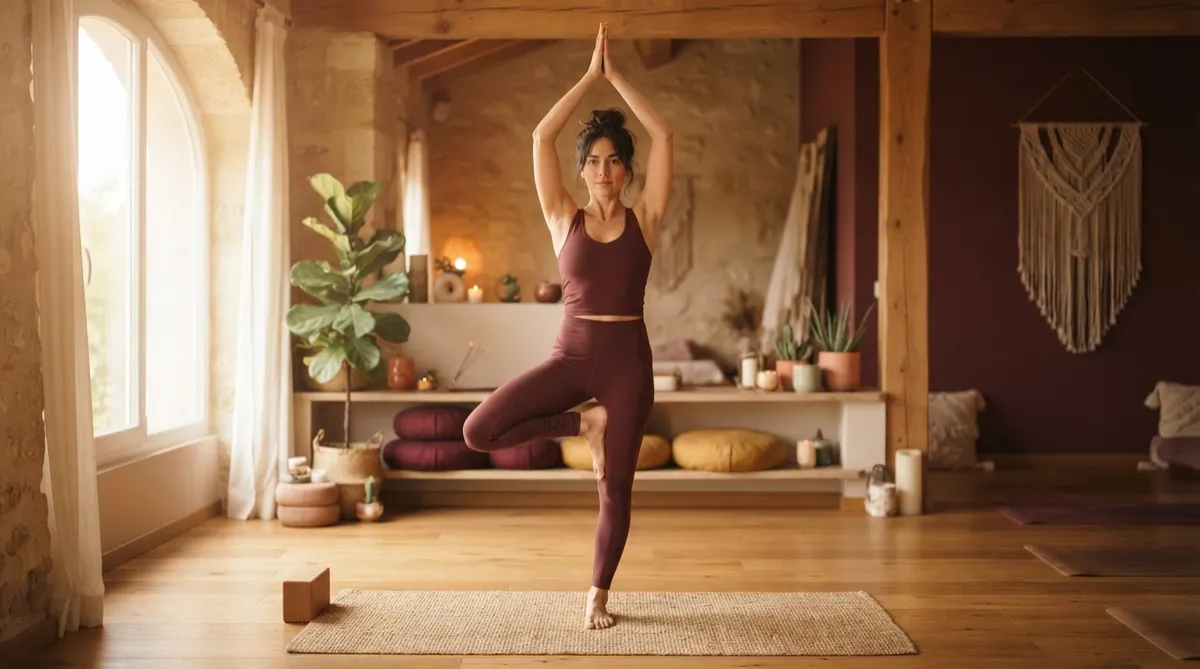
Ayurveda provides principles for understanding health, diet, lifestyle and individual constitution, while Yoga offers practices involving movement, breathing, concentration and meditation. Together, they can form a meaningful foundation for a balanced and mindful approach to wellness.
Shared Roots
The Connection Between Yoga and Ayurveda
Ayurveda
Traditionally described as the science of life, with an emphasis on maintaining health through appropriate diet, lifestyle and individualized care
Yoga
A discipline that includes Asana, Pranayama, meditation and other practices designed to cultivate physical awareness, mental steadiness and inner balance.
This shared perspective makes Yoga and Ayurveda naturally complementary.
Both traditions recognize that health involves more than the physical body. Lifestyle, habits, mental state, environment and daily routines can all influence an individual's overall sense of well-being.
Know Yourself
Understanding Your Individual Constitution
Ayurveda describes individual constitution through Prakriti and recognizes changes in health through the concept of Vikriti, or the current state of imbalance.
The three Doshas are:
01 Vata
Movement
Associated traditionally with movement and the qualities of ether and air.
02 Pitta
Transformation
Associated traditionally with transformation and the qualities of fire and water.
03 Kapha
Stability
Associated traditionally with stability and the qualities of water and earth.
Beyond Postures
Yoga as Part of a Holistic Lifestyle
Yoga is much more than physical postures. The classical yogic tradition describes an eight-limbed path, consisting of:
Yama
Ethical principles
Niyama
Personal observances
Asana
Physical postures
Pranayama
Regulation of breath
Pratyahara
Withdrawal of the senses
Dharana
Concentration
Dhyana
Meditation
Samadhi
Deep meditative absorption
In a wellness-oriented setting, selected aspects of this tradition may be incorporated according to an individual's needs, experience and physical capabilities.
Movement & Breath
The Role of Asana and Pranayama
Asana
Asana, or yogic postures, can be used to develop awareness of movement, flexibility, strength and physical stability.
Pranayama
Pranayama, or yogic breathing practices, focuses on conscious regulation of breathing. Different techniques are traditionally practiced for different purposes, and they should be selected appropriately, particularly for individuals with medical conditions.
Meditation & Relaxation
Meditation and relaxation practices may complement physical Yoga by encouraging mental calmness, concentration and self-awareness.
Personalized Practice
Yoga According to Individual Needs
Ayurvedic principles encourage personalization rather than following a single routine for everyone.
Traditionally, different types of Yoga practices may be selected according to an individual's constitution, current condition, age, physical capacity, lifestyle and environment.
Vata-Oriented Practices
Practices that are gentle, steady and grounding may traditionally be preferred when Vata qualities are prominent.
Slow movements, comfortable postures, relaxation and appropriate breathing practices can form part of such an approach
Pitta-Oriented Practices
A calm and non-competitive approach may be appropriate when Pitta qualities are prominent.
Comfortable postures, relaxation, moderate practice and appropriate cooling or calming breathing techniques may be incorporated.
Kapha-Oriented Practices
When Kapha qualities are prominent, more active and stimulating practices may traditionally be considered.
Dynamic movement, appropriately paced Yoga sequences and energizing practices may be incorporated according to individual fitness and suitability.
These are traditional Ayurvedic concepts and should not be treated as a substitute for individualized clinical assessment.
Ritu Charya
Yoga and the Changing Seasons
Ayurveda emphasizes adapting daily routines according to seasonal changes. Yoga practice can similarly be modified according to weather, energy levels, physical condition and individual needs.
Summer
Gentler and cooling practices may be preferred, with attention to hydration, rest and avoiding excessive exertion.
Monsoon
A steady and grounding routine may be incorporated along with appropriate movement and attention to digestion and daily habits.
Winter
Depending on individual constitution and physical capacity, warming and more active practices may be suitable.
At Dr. Divyas Aaditya Ayurveda, seasonal wellness recommendations can be incorporated into an individual's broader Ayurvedic lifestyle plan.
Everyday Benefits
Yoga, Ayurveda and Physical Well-being
The combination of appropriate Yoga practices and Ayurvedic lifestyle principles may support several aspects of general wellness.
Flexibility and Mobility
Gentler and cooling practices may be preferred, with attention to hydration, rest and avoiding excessive exertion.
Strength and Physical Conditioning
A steady and grounding routine may be incorporated along with appropriate movement and attention to digestion and daily habits.
Relaxation and Stress Management
A steady and grounding routine may be incorporated along with appropriate movement and attention to digestion and daily habits.
Healthy LifeStyle
Ayurveda emphasizes appropriate food, daily routines, sleep, activity and seasonal habits. Yoga can complement these practices by encouraging regular movement and greater awareness of the body and mind.
Is it right for you?
Who Can Consider Ayurvedic Physiotherapy?
Ayurvedic physiotherapy and rehabilitation may be suitable for individuals who are:
A proper assessment by qualified healthcare professionals is important before beginning a rehabilitation programme.
Experiencing musculoskeletal pain or stiffness
Recovering from an injury
Looking to improve mobility and flexibility
Returning to activity after a period of reduced movement
Recovering from sports-related injuries
Seeking support for age-related mobility concerns
Managing certain chronic musculoskeletal conditions
Interested in an integrated approach combining Ayurveda and physiotherap
Yoga and Ayurveda for Digestive Wellness
Ayurveda places considerable importance on digestion and appropriate dietary habits. A wellness programme may combine suitable dietary guidance with gentle Yoga movements, breathing practices and relaxation techniques.
Any specific Yoga practice or dietary recommendation should be individualized, particularly for people with an existing digestive disorder.
Yoga and Respiratory Wellness
Breathing awareness is an important component of Yoga. Selected breathing and movement practices may be incorporated into wellness programmes to encourage better awareness of breathing patterns and relaxation.
People with respiratory diseases should undertake breathing exercises under appropriate professional guidance rather than attempting advanced techniques independently.
Yoga, Ayurveda and Mental Well-being
Ayurveda and Yoga both recognize the importance of mental balance in overall well-being. Meditation, relaxation, mindful breathing and appropriate lifestyle practices may help cultivate greater awareness and calmness.
At Dr. Divyas Aaditya Ayurveda, these practices may be included as complementary wellness measures alongside appropriate professional care.
Yoga and Ayurvedic Rehabilitation
Yoga can also have a supportive role in rehabilitation when appropriately adapted.
For individuals undergoing physiotherapy or Ayurvedic rehabilitation, selected Yoga-based movements may be incorporated to support:
The exercises should be selected according to the individual's condition and rehabilitation goals.
Creating a Daily Wellness Routine
A balanced lifestyle does not necessarily require complicated practices. Simple, consistent habits can form the foundation of a healthy routine.
An Ayurvedic-inspired Yoga routine may include:
Consistency and individual suitability are more important than performing advanced practices.
Yoga, Ayurveda and Panchakarma
Panchakarma is a specialized system of Ayurvedic therapeutic procedures and is distinct from Yoga practice.
Where clinically appropriate, Yoga, relaxation and lifestyle practices may complement an Ayurvedic wellness programme.
However, Panchakarma procedures should be undertaken only under the guidance of a qualified Ayurvedic professional after appropriate assessment.
Our Approach at Dr. Divyas Aaditya Ayurveda
We view Yoga and Ayurveda as complementary approaches that can support a holistic lifestyle. Our approach emphasizes:
Rather than prescribing the same Yoga routine to everyone, practices can be adapted according to age, physical capacity, lifestyle, health concerns and individual requirements.
Our aim is to encourage people to develop a healthier relationship with their body, breath, mind and daily habits.
Frequently Asked Questions
What is the relationship between Yoga and Ayurveda?
Yoga and Ayurveda are distinct but complementary traditions. Ayurveda focuses strongly on health, lifestyle and individualized approaches to maintaining well-being, while Yoga includes practices involving movement, breathing, concentration and meditation.
Can Ayurveda help personalize my Yoga practice?
Ayurvedic concepts such as Prakriti, Vikriti and Doshas may be used traditionally to guide lifestyle and Yoga recommendations. A qualified professional can help determine practices appropriate to your individual circumstances.
Do I need to be flexible to practice Yoga?
No. Yoga can be adapted to different ages and physical abilities. Beginners can start with simple movements and gradually develop their practice according to their capabilities.
Can Yoga be practiced during rehabilitation?
In some cases, appropriately modified Yoga exercises may complement a rehabilitation programme. The exercises should be selected according to the individual's condition and, where necessary, coordinated with the treating healthcare professional.
Can Yoga and Ayurveda be used for chronic health conditions?
Yoga and Ayurveda may be used as complementary approaches to lifestyle and wellness for people with chronic conditions. They should not replace necessary medical diagnosis or treatment. Individuals with health conditions should seek appropriate professional guidance before starting new practices.
How often should I practice Yoga?
The ideal frequency varies according to the individual's health, experience, goals and daily routine. A consistent, appropriately designed practice is generally more useful than occasional intensive sessions.
Begin Your Journey Towards Holistic Wellness
Yoga and Ayurveda encourage us to look at health as an ongoing journey rather than a single destination.
Through mindful movement, appropriate breathing, balanced nutrition, healthy routines and individualized Ayurvedic guidance, these traditions can become valuable components of a holistic approach to everyday well-being.